










Syria collection
Syria Necklace – Wear Your Homeland Close to Your Heart
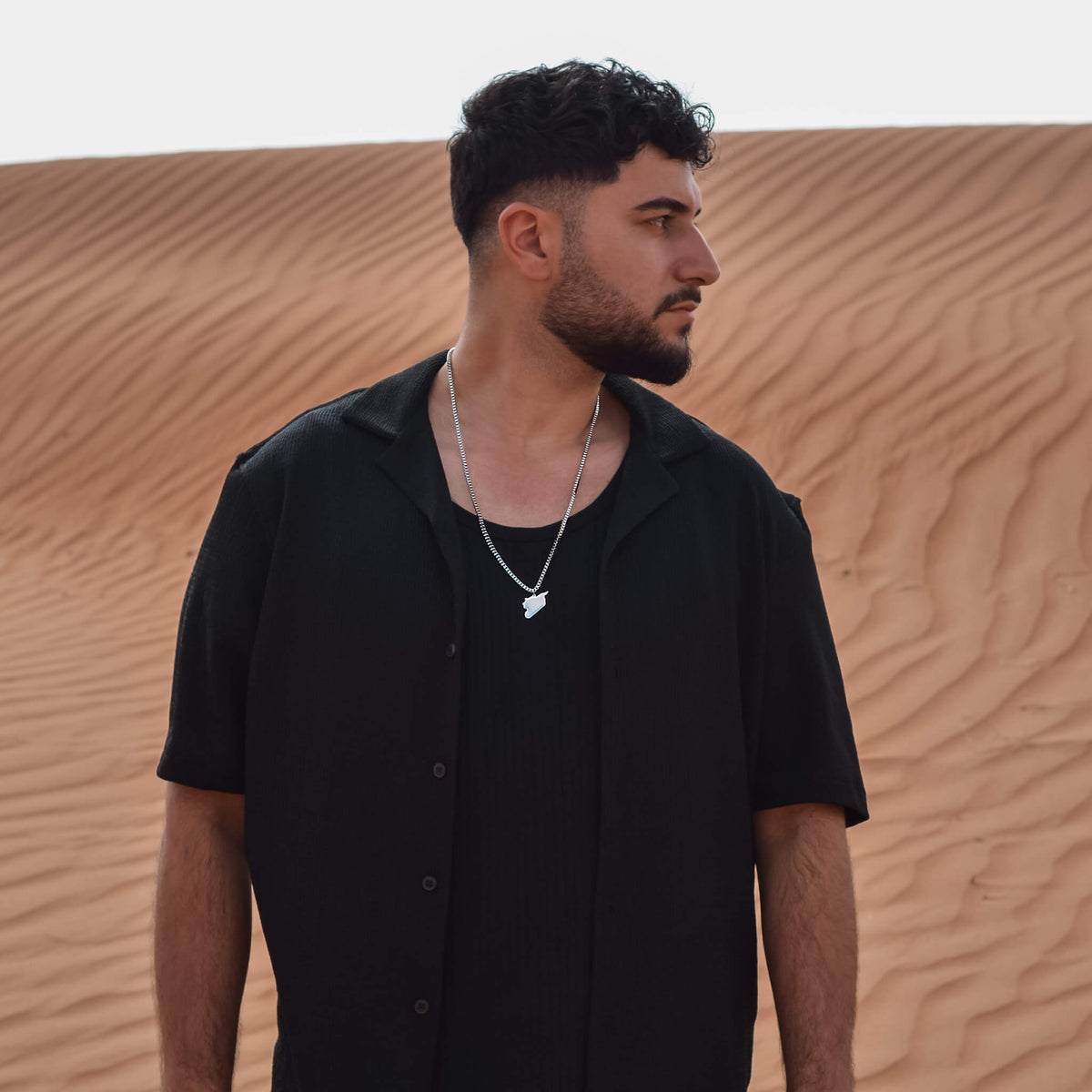
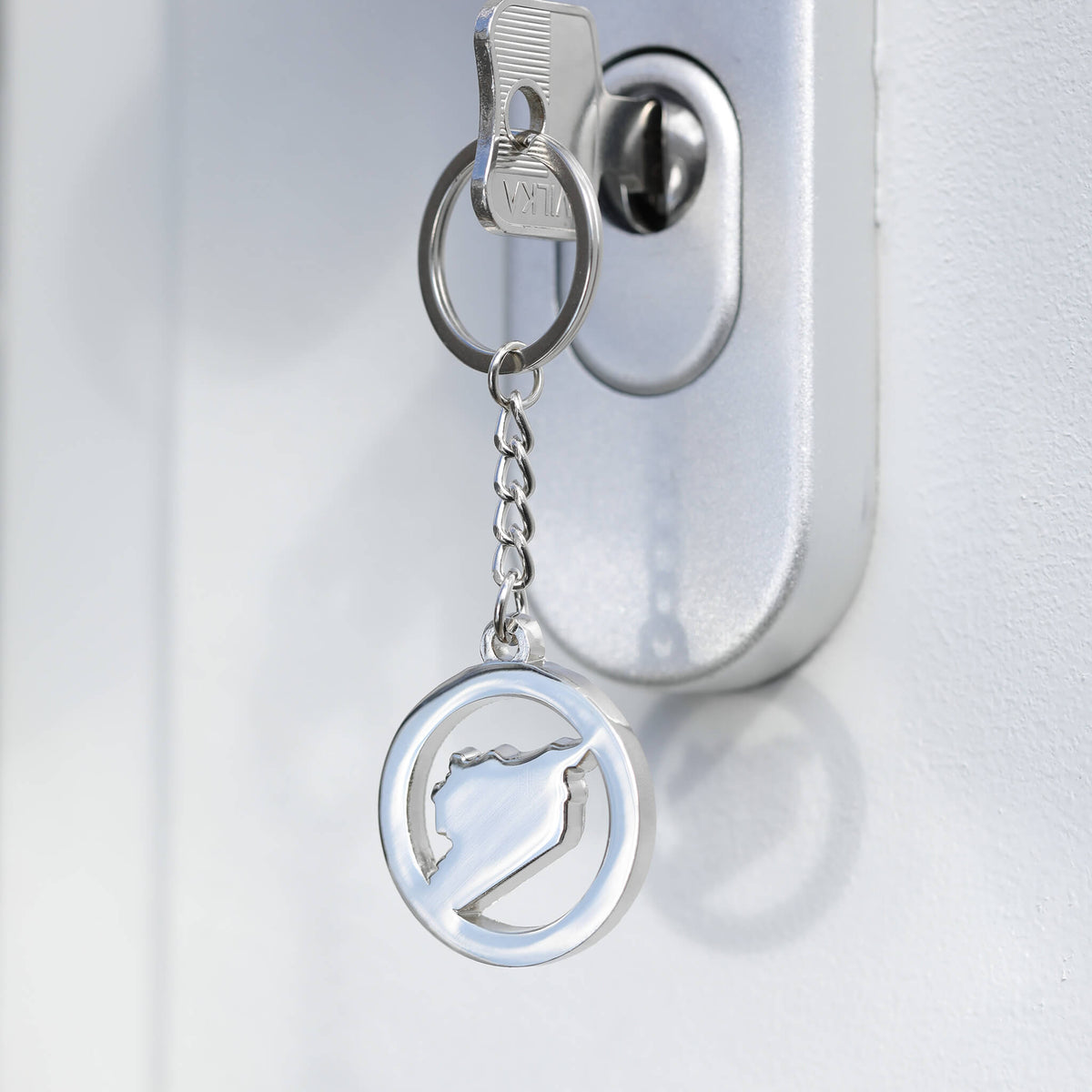
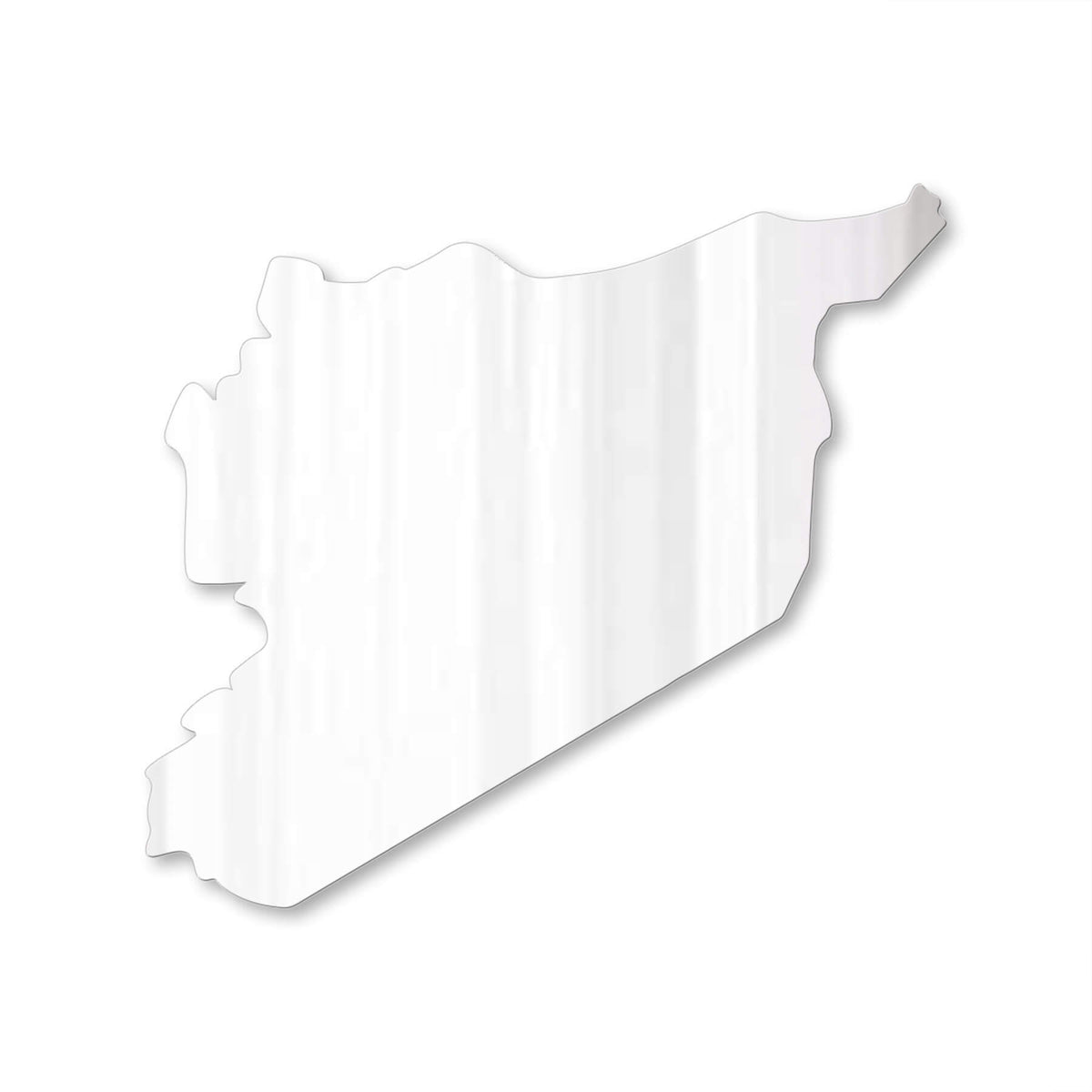
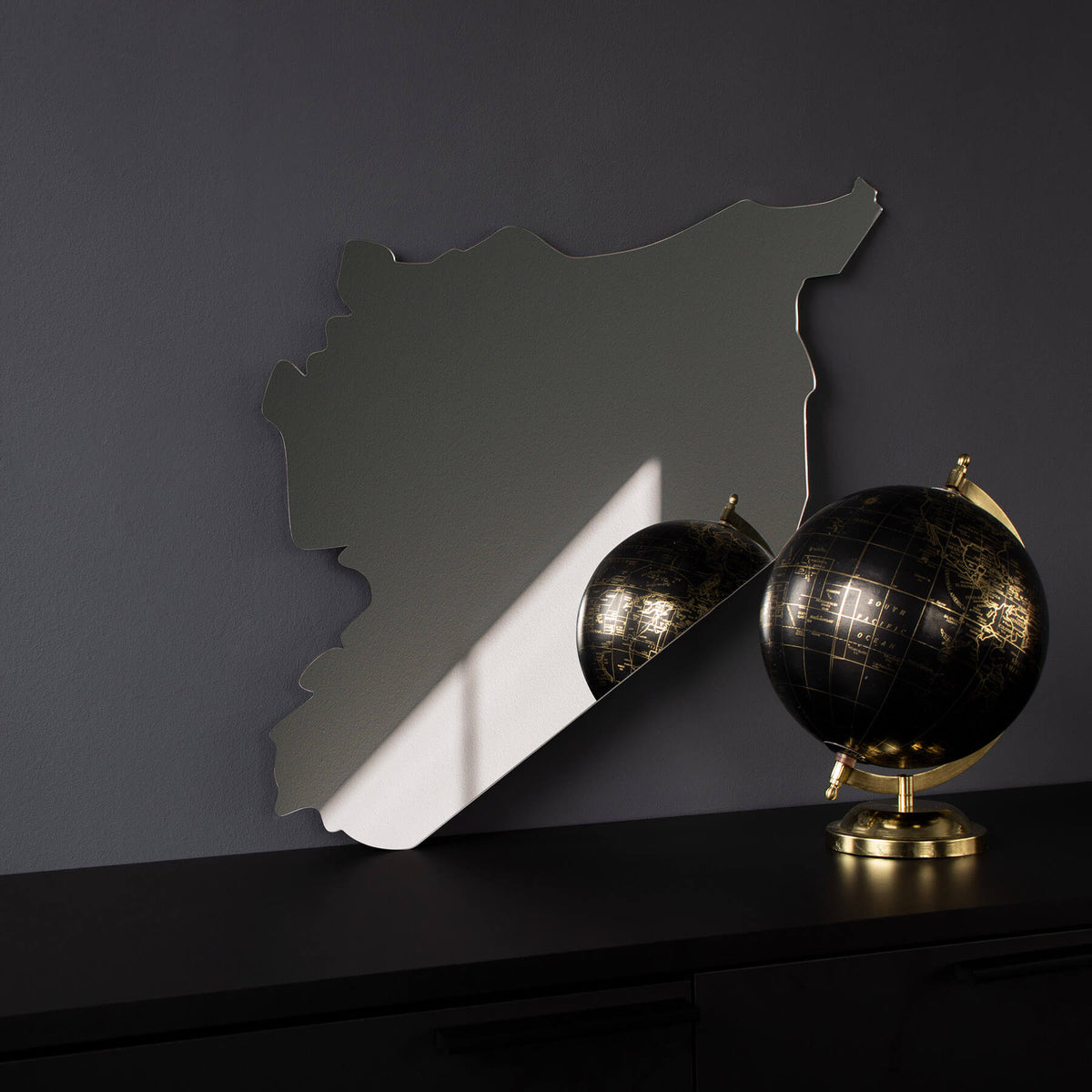
A Syria necklace is more than jewellery – it's a declaration of who you are. The map of Syria, the colours green, white and black, the three red stars: with a necklace from d'origine, you carry your Syrian roots right where the world can see them. Our Syria Collection includes necklaces, bracelets, keychains, phone cases and mirrors – crafted from premium materials and backed by a 365-day guarantee. Whether you grew up in Damascus, Aleppo, Berlin or Detroit: this necklace connects you to your heritage. At d'origine, people from more than 40 countries show where they come from. The Syria Collection is one of the most popular in our range.
What Does the Syrian Flag Mean?
The Syrian flag features three horizontal stripes in green, white and black with three red stars on the white middle stripe. This flag – known as the Independence Flag – dates back to 1932, when Syria first declared itself a republic under the French Mandate. The three stars originally represented the three administrative regions of Damascus, Aleppo and Deir ez-Zor. The colours are pan-Arab and reference great Islamic dynasties: green for the Fatimids, white for the Umayyads, black for the Abbasids and red for the Hashemites. The flag was reintroduced in December 2024 after the end of the Assad era and officially enshrined as the national flag through the transitional constitution in March 2025. For the Syrian diaspora worldwide, it is a symbol of hope and a new beginning. Syria looks back on one of the oldest civilisation histories in the world: Damascus is widely regarded as the oldest continuously inhabited city on earth – with a history stretching back over 5,000 years. The Umayyad Mosque in Damascus (built 706–715 AD) is one of the oldest and most significant mosques in Islam.
Syrian Jewellery: Damascene Gold, Aleppo and Millennia of Craft
Syria has one of the oldest jewellery traditions in the world. The region was a centre of goldsmithing as early as the Bronze Age: finds from Ebla (3rd millennium BC) and Ugarit (2nd millennium BC) reveal gold and silver jewellery of extraordinary fineness. Damascus was for centuries a centre of craftsmanship on the Silk Road. The Damascene technique – the inlaying of gold and silver into steel – is world-famous and closely related to the Toledo Damasquinado technique in Spain. The Souk al-Madina in Aleppo was the largest covered bazaar in the world and a UNESCO World Heritage Site – for centuries a trading hub for gold, silk and spices. At Syrian weddings, gold plays a central role: the bride is adorned with gold jewellery in elaborate ceremonies – necklaces, bangles, forehead chains and earrings are all part of the bridal ensemble. In the diaspora, jewellery with Syrian motifs serves a special purpose: the map around the neck makes belonging visible.
Material and Quality of Our Syria Necklaces
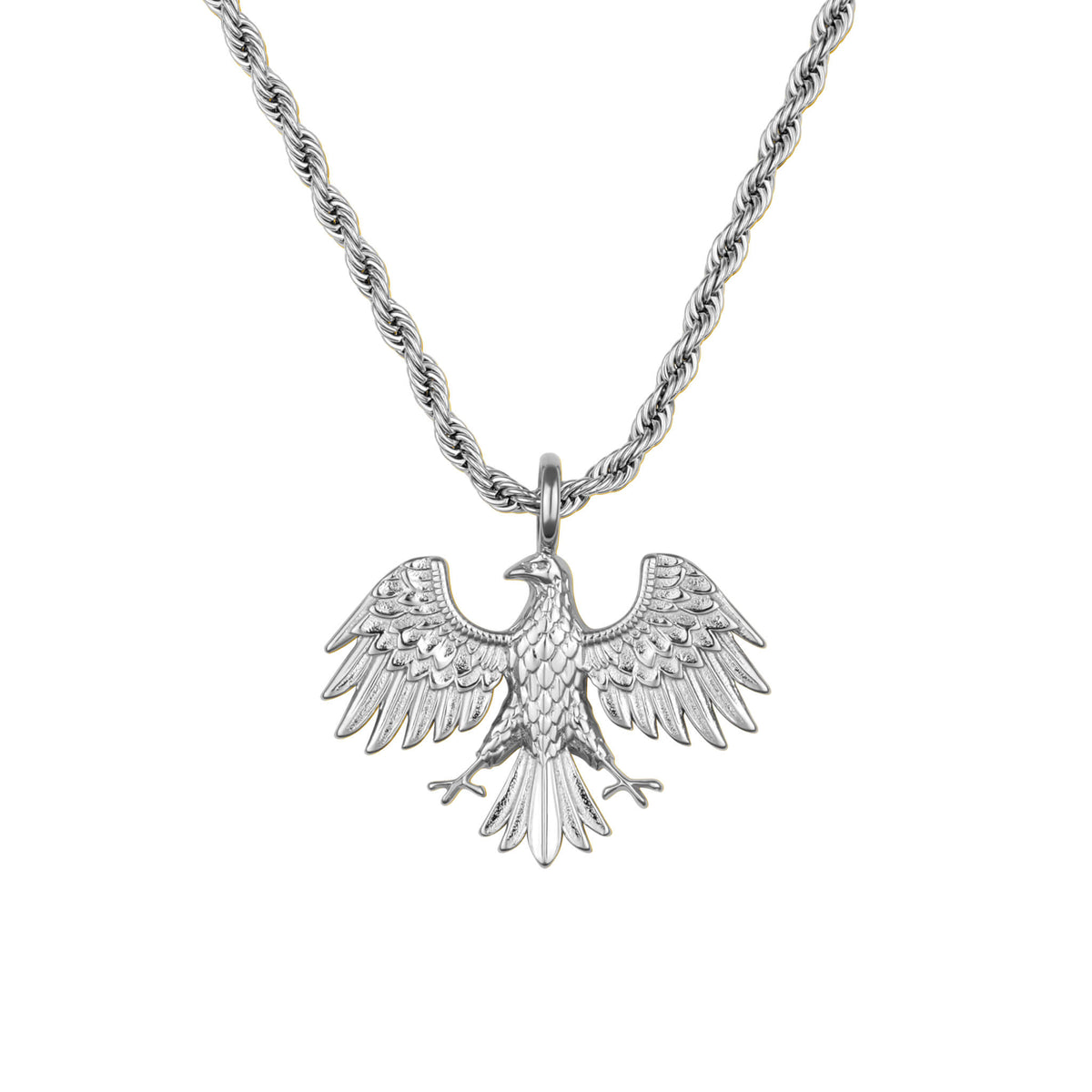
Our Syria Collection offers multiple material lines. The Syria Crest Necklace V2 for men (60 cm curb chain) is made from premium stainless steel with 18K gold plating or high-gloss polished silver – our premium variant. The Syria necklace for men (56 cm in gold, 65 cm in silver) and the Syria necklace for women (40 cm + 15 cm) are also made from 316L stainless steel. The Syria crest necklace for men (60 cm, pendant 3.1 x 2.5 cm) is crafted from 18K gold-plated brass. For women, we offer the 5-pendant necklace in 316L stainless steel (40 cm + 5 cm). All variants are waterproof and allergy-friendly. All products come with a 365-day guarantee.
Syria Necklace in Silver or Gold – Which One Suits You?
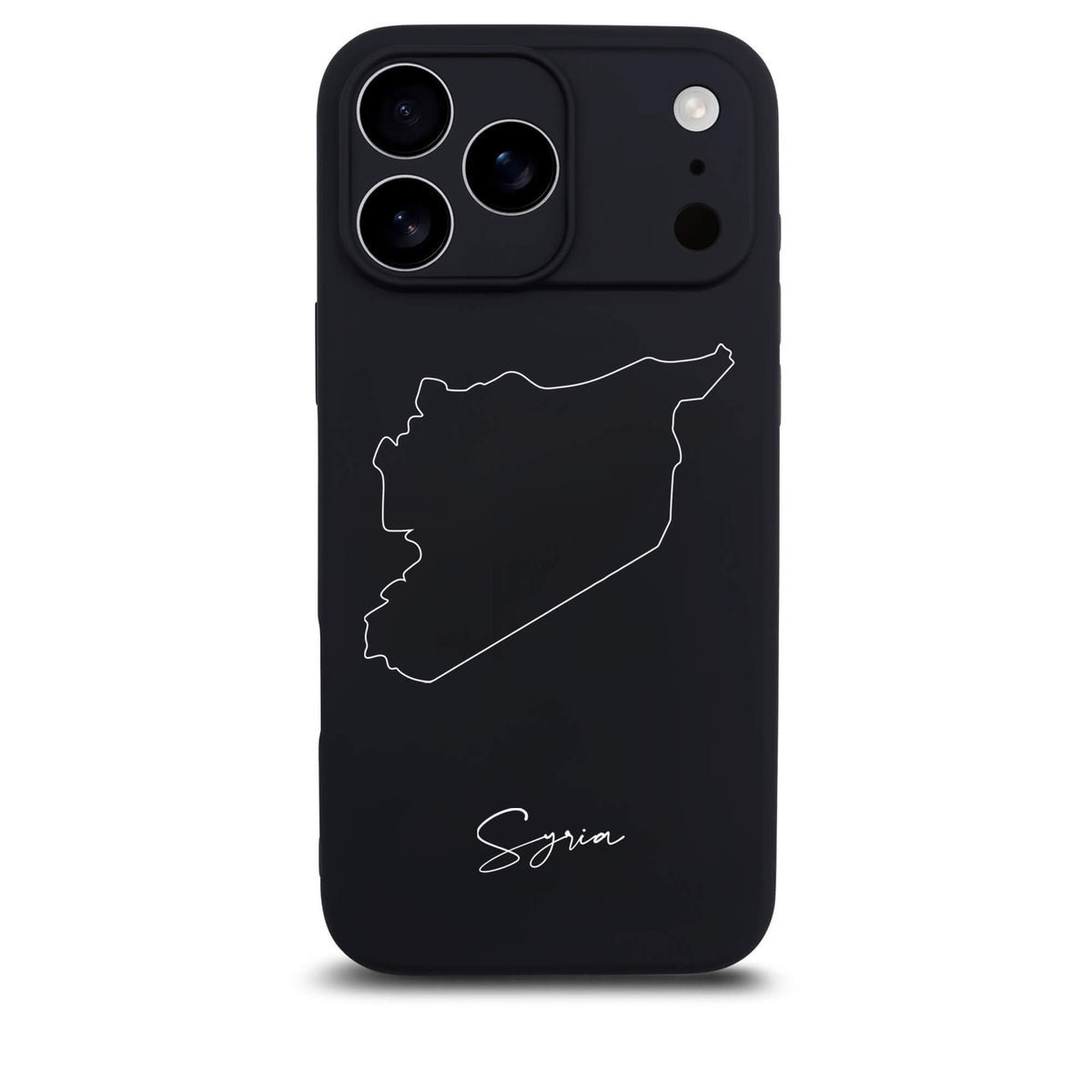
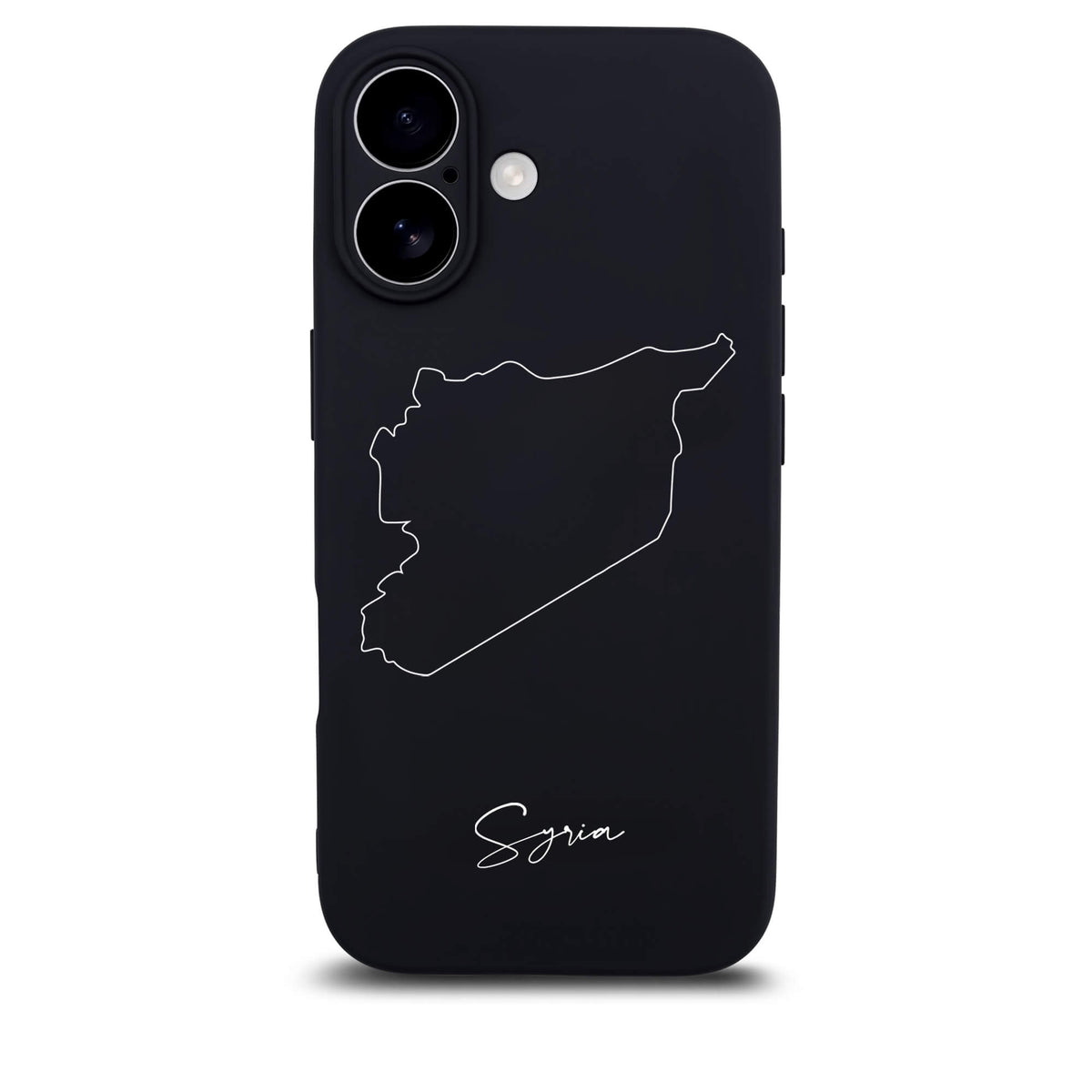
Gold has carried meaning in Syrian culture for millennia – from the goldsmiths of the ancient trading city of Ebla to the jewellery still gifted at weddings today. The gold versions of our Syria necklaces honour that tradition: the 18K gold plating gives the pendant a warm, rich glow. The silver versions provide a cooler, more modern look. Alongside the necklaces, we also offer the Syria map bracelet in stainless steel (16 cm + 3 cm), the Syria keychain, the Syria mirror in acrylic glass and the Syria phone case.
Buying a Syria Necklace – What to Look For
If you're looking to buy a Syria necklace, pay attention to three things: material, craftsmanship and chain length. You can choose between 316L stainless steel (more durable, scratch-resistant – our V2 and map necklaces), brass with 18K gold plating (warmer gold tone – crest necklace for men) and the 5-pendant variant in stainless steel. For craftsmanship, check the pendant: whether map or crest – the details should be cleanly worked and the relief clearly defined. For chain length: men's 56 to 65 cm, women's 40 cm plus extension. At d'origine, you order directly from our shop – no middlemen. We ship worldwide: free shipping within Germany, free across Europe on orders over €25, and affordable international shipping to the US, Canada, UK, Australia and beyond.
How Many Syrians Live Abroad?
The Syrian diaspora is estimated at 7 to 8 million people worldwide. Germany hosts approximately 900,000 Syrian nationals – one of the largest Syrian communities globally. Turkey is home to roughly 3.5 million Syrians, Lebanon to around 1.5 million and Jordan to approximately 650,000. In Sweden, around 200,000 Syrians have settled, with significant communities also in the Netherlands, Austria and the United Kingdom. In the United States, approximately 200,000 Syrian Americans reside, primarily in New Jersey, Michigan (particularly Dearborn and Detroit) and California. Syria's cultural heritage connects its diaspora regardless of where they live: Damascus as the oldest continuously inhabited city, the Umayyad legacy and the traditions of Aleppo's artisans are shared reference points across generations. A Syria necklace is, for many, a daily sign of that connection – quiet, but unmistakable. At d'origine, we understand this feeling, because that's exactly why we founded the brand: jewellery that makes heritage visible.